Although being officially known as a depressant, denying the stimulant effects of alcohol can be difficult. Unlike depressant drugs, you can easily have a wild night on alcohol, and its side effects that effect physical health like blood pressure and body chemistry could also be seen as a stimulant effect from a certain perspective. However, chemically alcohol is known to be a central nervous system depressant which can lead to alcohol poisoning, alcohol addiction and eventually alcohol abuse when misused. So, with these two conflicting ideas on alcohol and its effects in mind, what’s the reality – is alcohol a stimulant or a depressant?
Stimulants, Depressants and How They Interact With The Central Nervous System
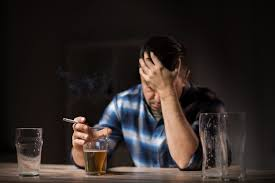 In order to be able to answer the question ‘is alcohol a stimulant or a depressant’, we must first understand the difference between these two classes of substances.
Stimulants and depressants both affect your nervous system and brain function, although in opposite ways.
To start with, stimulants excite your nervous system, and may increase your blood pressure, heart rate and give you more energy. In high doses, they can cause insomnia and make you jittery and impulsive, and are often prescription drugs used to treat a mental health disorder in clinical situations.
Examples of stimulants include mild ones, such as caffeine, as well as much stronger prescription amphetamines or illicit drugs like cocaine.
On the other hand, depressants slow you down by decreasing your heart rate and blood pressure. They can help you feel relaxed and, on the extreme end, completely sedate you – characteristics that make ‘is alcohol a stimulant or a depressant’ more clear of a question. Benzodiazepines are one class of depressant drugs used to treat insomnia and anxiety, while prescription opiates are powerful products in this category. Depressants have similar effects on the body as consuming alcohol, with the two substances sharing similar negative effects when abused as well.
What makes ‘is alcohol a stimulant or a depressant’ such a hard question to answer however is this black or white classification. Despite the clinical classifications, some compounds can have characteristics of both stimulants and depressants. For example nicotine, although it’s most frequently characterized as a stimulant, and alcohol, which is primarily a depressant but has some stimulant effects. You should not mix alcohol and stimulant or depressant drugs due to the risk of severe side effects.
“Despite the clinical classifications, some compounds can have characteristics of both stimulants and depressants.”
Why Alcohol Could Be Considered a Stimulant
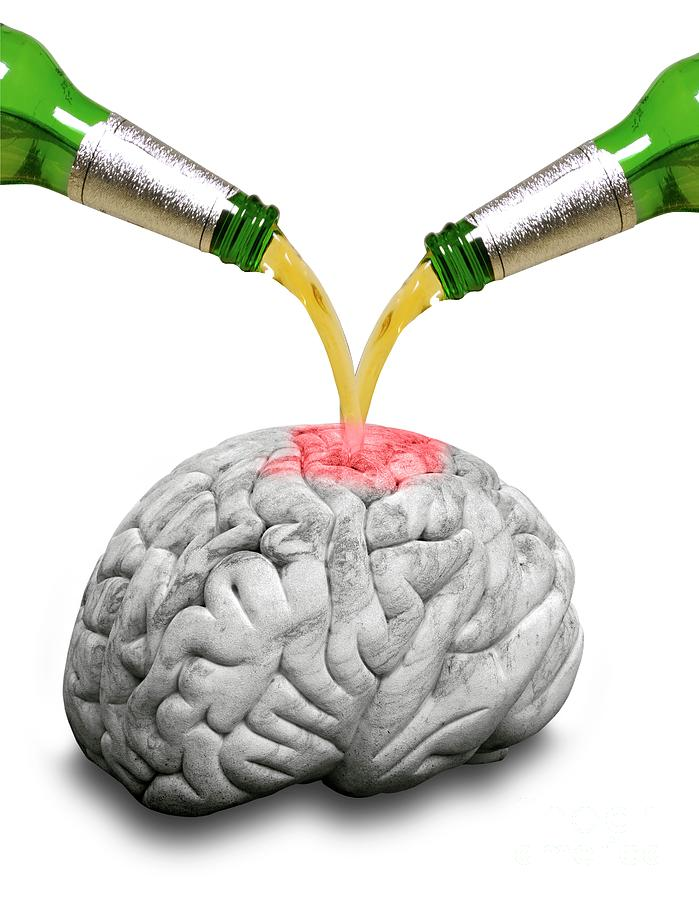 The main reason for why people who drink alcohol ask the question ‘is alcohol a stimulant or a depressant?’ is due to the fact that initial doses of alcohol signal your brain to release dopamine, the so-called “happy hormone,” which can cause you to feel stimulated and energized.
In addition, alcohol can increase your heart rate and may lead to increased aggression in some individuals, both of which are typical of stimulants.
These simulant effects occur when your blood alcohol concentration sits at around 3 drinks, but are replaced by more depressant effects once your BAC reaches anything above this, which is also usually the level at which you’re considered legally impaired to drive in most areas of the United States.
One important thing to note is that the effects of alcohol differently affect each individual and are influenced by a number of factors, including your body chemistry, sex, weight, alcohol tolerance, and the dose of alcohol consumed. Furthermore, some people may experience more stimulating effects from alcohol, while others may experience more depressant effects. Researchers theorize that people who experience more stimulating effects and fewer sedative effects are at a higher risk for alcoholism. However, while it has some stimulant effects, particularly in low doses, alcohol is clinically categorised as a stimulant.
Why Alcohol Is Classed as a Depressant
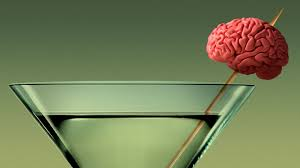 The classification of a substance is based on the dominant effects it has on the central nervous system, and this strict definition is what will allows us to answer ‘is alcohol a stimulant or a depressant’.
Overall, while alcohol has some initial stimulant effects, the depressant effects are dominant.
Therefore, scientifically, we have our answer ‘is alcohol a stimulant or a depressant’. Alcohol slows down brain function and therefore is a depressant.
“Scientifically, alcohol is a depressant – it slows down brain function.”
Alcohol is classed as a depressant as, after the initial stimulant effects, alcohol slows down your central nervous system, decreasing your blood pressure, heart rate, and mental clarity. In turn, people who have ingested large amounts of alcohol have slower reaction times and may seem sleepy, disoriented, or sedated, while even higher doses of alcohol can suppress dopamine production, which can make you feel sad or listless.
This transition from stimulant effects to depressant effects, is caused by continued consumption of alcohol suppressing dopamine production while enhancing the effects of GABA, a response which reduces or inhibits nerve activity in the brain. Reduced nerve activity can decrease mental acuity, and lower blood pressure, and heart rate. This can result in slurred speech, sluggishness, disorientation, and slower reaction times, all of which are well know to be associated with alcohol consumption.
While these are the general effects of drinking alcohol, these can vary greatly from person to person. As stated before effects are influenced by a number of factors, which include body chemistry, sex, weight, alcohol tolerance, and the amount of alcohol consumed. Consultation with a qualified mental health professional can help identify how alcohol affects each individual person.
Alcohol Addiction and Alcohol Abuse
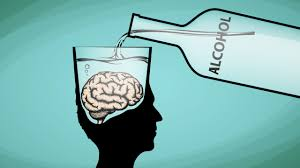 Regardless of whether you’re experiencing the stimulant or depressant effects of alcohol, all drinkers are vulnerable to the risk of alcohol addiction and alcohol abuse.
Drinking alcohol too much or too often, or being unable to control alcohol consumption, is the first and most common sign of alcohol misuse, known clinically as alcohol use disorder or AUD.
AUD previously went by other names such as “alcohol abuse,” “alcohol dependence,” and “alcoholism.” While alcohol misuse refers to single episodes during which you might drink excessively AUD refers to when this occurs repeatedly over time and when it begins to impact your health and your life.
The disorder can also be broken down further into mild, moderate, and severe subtypes.
“These disorders can be disruptive and life threatening.”
The National Institute on Alcohol Abuse and Alcoholism (NIAAA) says that about 14 million adults in the United States struggle with AUD. These disorders can be disruptive and life threatening. However, since alcohol affects people in different ways, recognizing AUD in yourself or in others can be subjective and challenging. If you believe that you, or someone close to you, is suffering from AUD or some other form of alcohol abuse, then do not hesitate to reach out for professional help.