If you’re an avid consumer of media, you might think that consuming an alcoholic beverage under the legal drinking age is a common occurrence that everyone takes part in. While its widespread nature might be true, so are the criminal penalties and physical repercussion that come to those who consume alcohol under 21 and get caught doing it.
Underage drinking can have serious consequences, with an underage drinking charge resulting in various punishments, from simple community service, up to license suspension, and even prison time for being a minor in possession of alcohol. So before you pull out the fake ID and attempt to purchase alcohol, here’s what happens if you get caught drinking under 21.
Underage Drinking Laws In The United States
In the United States the majority of the country deems 18 to be the legal age on adult, however, alcohol consumption is pushed further back to 21 according to federal guidelines. Even if you can legally purchase alcohol at age 18, you are still underage if you do so before turning 21, and it is also illegal to buy or give alcohol to a minor in most circumstances.
 Despite this, the United States’ twenty-first constitutional amendment makes it clear that states have the power to decide on the rules governing the sale and distribution of alcoholic beverages and as such the states are in charge of deciding what what happens if you get caught drinking under 21 and what age is acceptable within their borders.
Despite this ability to choose their own law and regulations regarding what happens if you get caught drinking under 21, states run the danger of losing federal funding if they don’t follow the federal minimum age law. As such, all fifty states agreed to follow the federal legal drinking age recommendations and keep their federal funding benefits for it. However, restrictions and exact specifics about when and where a person can drink underage do still differ from state to state and as such it is important to be up to date on your local legislation.
What Happens If You Get Caught Drinking Underage
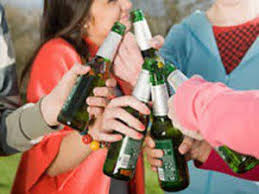 Despite the varying specifics of underage drinking laws from state to state, there are still a broad range of general penalties that dictate what happens if you get caught drinking under 21. In order to discourage underage drinking, you can be fined, forced to do a mandatory class on alcohol awareness, or even have a driver’s license suspension or be sentenced to jail time if you are caught drinking underage.
Drinking under 21 consequences may include impacts on the minor’s academic performance, extracurricular activities, and driver’s insurance policy, in addition to having legal ramifications. These legal ramifications about what happens if you get caught drinking under 21 are classified as misdemeanour charges. Religious activities, education, lawful employment, agreement from parents, guardians, or spouses, law enforcement needs, and medical needs are typically the only exceptions to these laws, and again, vary from state to state.
If you’re charged with an alcohol-related offense while under the legal drinking age, most states allow you to expunge the violation from your criminal record, especially for a first offense. An expungement is when your record is sealed, meaning you do not have to acknowledge a conviction when applying for college, a job, or housing.
However, getting an expungement can take a long time. Most states require you to wait several years while maintaining a clean record before you can ask for an expungement. Also, when you can request the expungement likely depends on the outcome of the case.
For example, if you were arrested but the charge was dismissed, typically you can apply for expungement faster, typically one year later. But if you plead guilty or were convicted of the offense, you might not be eligible for expungement until you turn 21. And if you are charged with another offense, you may not even be allowed to expunge the charge, meaning you will have a permanent record.
“These legal ramifications are classified as misdemeanour charges.”
Why Is The Legal Drinking Age 21
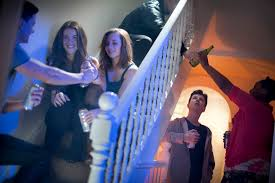 Along with Iceland, Japan, and South Korea, the U.S. is one of only a few countries to have a minimum legal drinking age over 18 in the world, a very odd occurrence given that majority of laws in other similar countries having much younger drinking ages.
In fact, in some countries like Belgium and Germany, 16-year-olds are allowed to purchase and drink alcohol, almost the polar opposite of what happens if you get caught drinking under 21 in the United States.
Whether this is the correct legislative decision for the overall health and wellbeing of a country’s youth is up for debate, however, it is evident that in the United States, that laws have definitely had an impact on the drinking habits of young adults, if nothing else.
In the years that followed the National Minimum Drinking Age Act which set the drinking age at 21, drinking among 18-to-20-year-olds declined by 19%, and 21-to-25-year-olds by 14%. This was especially interesting, since research has shown most underage people report that alcohol is “fairly easy” or “very easy” to get a hold of. When it comes to alcohol, even small behaviour checks seem to matter according to research into the topic. The current stance on this decrease is that despite the ease of access to alcohol, if it requires more effort to obtain, it buys the person a little bit of time to think about how important it is to them to drink at that moment, or to consider the potential negative consequences of drinking.
“Drinking among 18-to-20-year-olds declined by 19%, and 21-to-25-year-olds by 14%.”
What Underage Alcohol Consumption Does to the Body
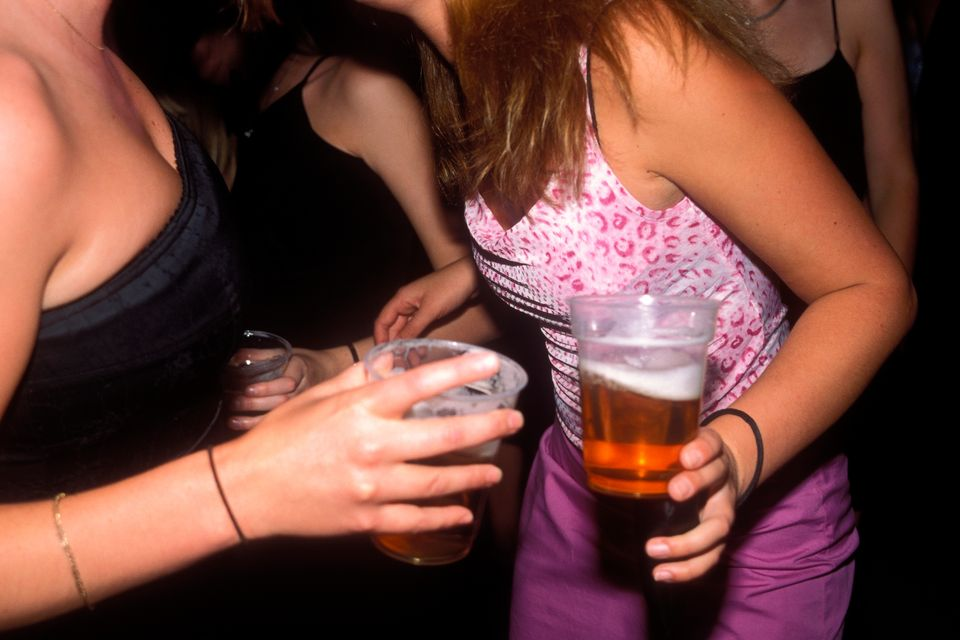 The real reason for the drinking legislation in the US that dictates what happens if you get caught drinking under 21 is that alcohol can have a severe impact on the physical and mental health of young people.
The fact that young people typically have a lower body and limited ability to metabolize and process the effects of alcohol means that they can become dangerously intoxicated very quickly, putting young people at increased risk of alcohol poisoning compared to older drinkers, which can be extremely dangerous.
Alcohol poisoning seriously affects the parts of the brain that control balance and speech, as well as the nerves that control breathing and heartbeat. It also can stop the gag reflex from working, putting those who are experiencing alcohol poisoning at serious risk of choking to death, especially if they vomit.
Another negative affect of underage drinking is expansion of blood vessels near the skin creating a lack of perception of danger, and increased risk of falling asleep without adequate protection in cold weather, all of which risk lowering body temperature, leading to hypothermia. All in all, it is quite clear that underage drinking is not a wise choice, physically or mentally, and as such it is important to adhere to underage drinking laws, despite the social acceptance that comes with underage drinking. After all, those laws are in place for a reason, so it is best to follow them.
“Underage drinking is never a wise choice, physically or mentally, so it is important to adhere to underage drinking laws.”